
Aphelandra calciferi The Fire Demon Flower

On this page
Aphelandra calciferi The Fire Demon Flower
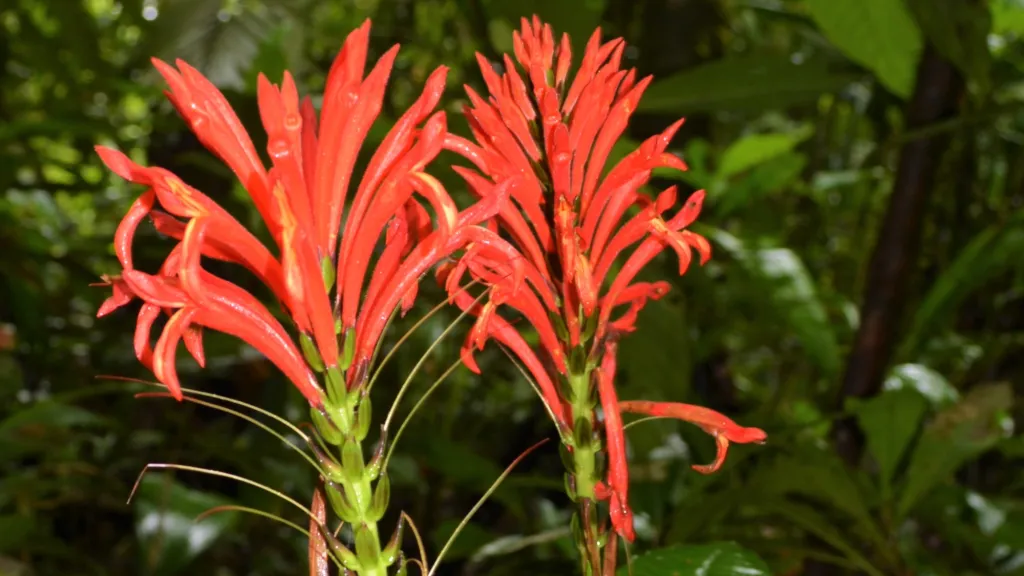
Aphelandra calciferi is a flame-coloured flowering shrub from the rainforests of central Peru, and it was only named by science in December 2025. Its blooms glow red outside and yellow inside, so the botanists who described it named it after Calcifer, the fire demon from Studio Ghibli’s Howl’s Moving Castle.
In January 2026, the Royal Botanic Gardens, Kew picked it as one of its top 10 new species of the year. Very few people outside a handful of researchers have ever seen it in person. Here is everything we know about this fiery newcomer, and how it connects to a houseplant you may already own.
What is Aphelandra calciferi?
Aphelandra calciferi is a new species in the acanthus family (Acanthaceae), described by Peruvian botanist Rosa Villanueva-Espinoza and British botanist John Wood. Their paper appeared in the Kew Bulletin on 5 December 2025.
The genus Aphelandra holds around 209 species, all native to the Americas, from Mexico down to northern Argentina. Most of them are very local, and many are known from only one or two places. Peru alone has 54 species, and more than half of them grow nowhere else on Earth.
Why Aphelandra calciferi is named after Calcifer
The name “calciferi” honours Calcifer, the talkative fire demon who powers the castle in Hayao Miyazaki’s 2004 film Howl’s Moving Castle. The botanists chose it because the flower’s colours look strikingly like Calcifer’s flickering red, orange and yellow flame.
It is a rare case of anime reaching formal botany. That is exactly why Ghibli fans and plant lovers alike keep searching for this flower online.
What the fire demon flower looks like
Aphelandra calciferi grows as an upright subshrub that can reach 3 metres tall. Each stem ends in a single, dense flower spike, a bit like a glowing torch held above the leaves.
- Flowers: tubular blooms 4.6 to 6 cm long, red on the outside and yellowish inside the lower lip
- Flower spike: 13 to 18 cm long and about 4 to 6 cm wide
- Leaves: large, leathery and glossy, 17 to 30 cm long, with 15 to 30 pairs of neat parallel veins
- Leaf edges: usually toothed, each tooth ending in a tiny spine
- Flowering time: recorded from January to March, and in May
Where Aphelandra calciferi grows
This plant is found only in a small part of Oxapampa province, in the Pasco region of central Peru. It grows in primary rainforest on steep hills with clay soil, between 380 and 780 metres above sea level.
All six known collections come from protected areas: the Yanesha Communal Reserve, the San Matías–San Carlos Protection Forest and Yanachaga-Chemillén National Park. Together these sit inside the Oxapampa-Asháninka-Yánesha Biosphere Reserve, on the lower eastern slopes of the Andes.
Can you grow Aphelandra calciferi at home?
Not yet. Aphelandra calciferi is not sold anywhere, and wild plants are protected inside Peruvian reserves. Kew’s scientists do believe it has real potential as a conservatory ornamental, so it may reach collectors one day through proper, legal propagation.
Its famous cousin: the zebra plant
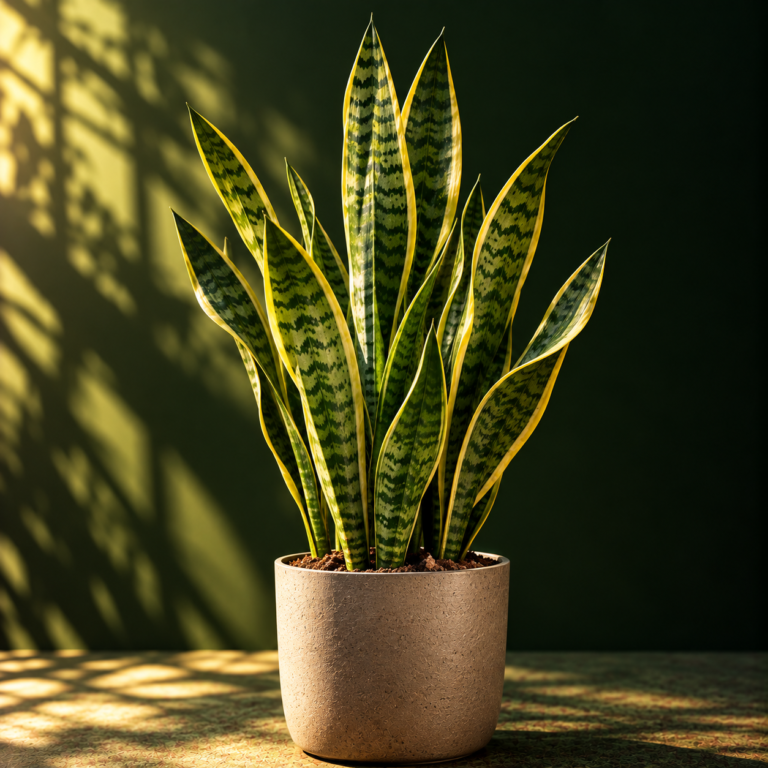
You can already grow its close relative, the zebra plant (Aphelandra squarrosa). It shares the same family look: glossy dark leaves with bold white veins and tall golden flower spikes that stay colourful for weeks.
A few simple care tips for a happy zebra plant in Pakistan’s climate:
- Light: bright, indirect light; keep it away from harsh afternoon sun
- Temperature: it likes roughly 16 to 25°C, so keep it indoors during peak summer heat
- Water: keep the soil lightly moist, never soggy and never bone dry
- Humidity: place it on a pebble tray or group it with other plants
- After flowering: trim the spent spike to keep the plant bushy
Want a little fire demon energy in your home? Ask Zeelma about zebra plants and other colourful indoor plants.
Is Aphelandra calciferi endangered?
We don’t know yet. The researchers have listed it as Data Deficient under IUCN guidelines, because nobody has counted how many plants survive in the wild.
That uncertainty matters. Kew estimates around 100,000 plant species still wait to be named, and many new finds are already at risk. As Kew’s Martin Cheek puts it, it is hard to protect what we do not know or have a name for.
Aphelandra calciferi FAQ
When was Aphelandra calciferi discovered?
The first specimens were collected in 2009, but the species was only formally described and named in December 2025.
Where does the fire demon flower grow?
Only in protected rainforest in Oxapampa province, central Peru, at 380 to 780 metres.
Can I buy Aphelandra calciferi?
No. It is not in cultivation yet. Its relative, the zebra plant, is easy to find and grow.
Why is it called the fire demon flower?
Its red and yellow blooms resemble Calcifer, the fire demon from Howl’s Moving Castle.
Sources
- Two new species of Aphelandra (Acanthaceae) from Peru, Villanueva-Espinoza & Wood, Kew Bulletin, 2025
- Kew’s top 10 new species of 2025, Royal Botanic Gardens, Kew


Share your experience