
Salty Water and Your Plants: How to Fix White Crust and Brown Leaf Tips
Brown leaf tips and white crust on soil can be signs of salty water for plants. Learn how to test your water and fix salt build-up.

On this page
You water on time and keep your plants in good light, yet the leaf tips keep turning brown and crispy. The problem may not be your care at all. It may be your water. Salty water for plants is one of the most common reasons houseplants and balcony plants slowly decline in Karachi, and most plant care guides never mention it.
Many homes here run on bore water, tanker water, or a mix of both. That water often carries dissolved salts and minerals. Every time you water, a little of it stays behind in the soil. Over a few months it builds up, and the roots start struggling to drink even when the pot is wet.
The good news is that salt damage is easy to spot and very fixable. This guide covers the warning signs, a simple way to test your water at home, and a step-by-step routine to bring your plants back to health.
Signs Your Plants Are Suffering from Salty Water
Salt damage creeps in slowly, so people often mistake it for overwatering, pests or disease. Check for these signs first:
White or yellowish crust on the soil surface. It feels hard and crunchy, not soft.
White rings on the pot. They show up on the rim and on the outside of clay pots.
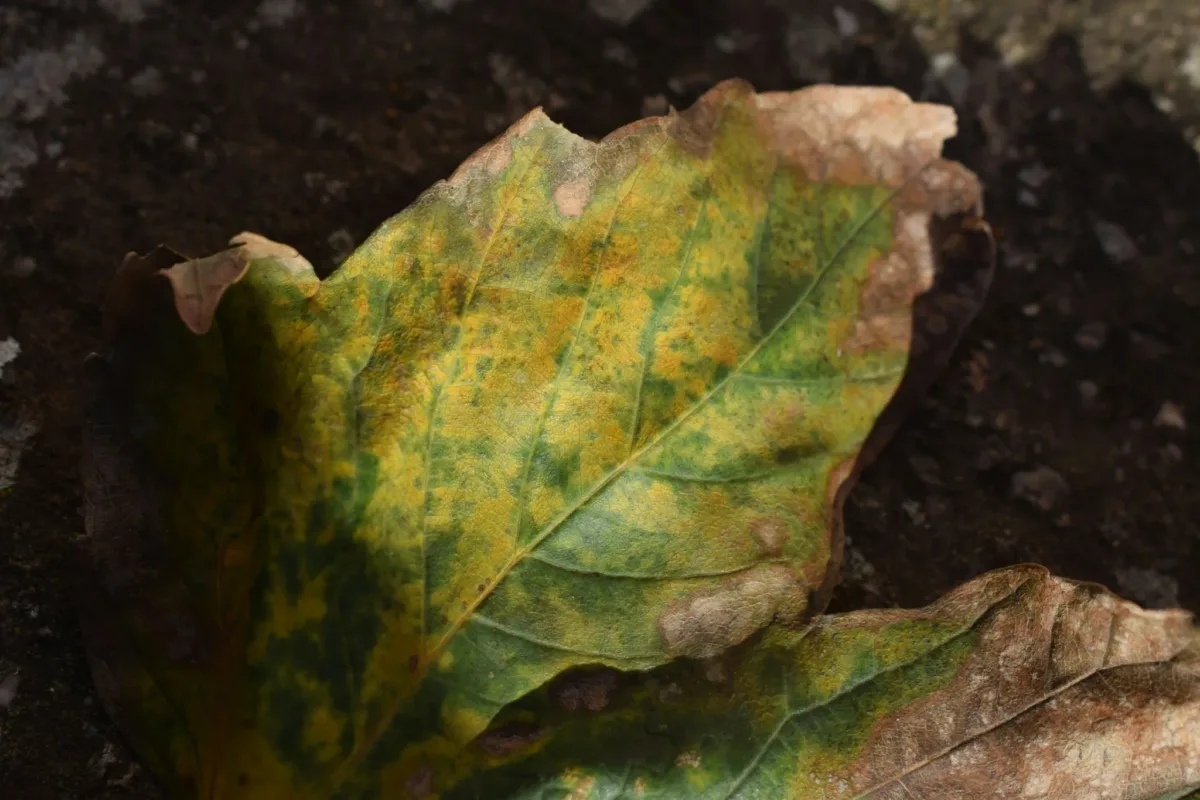
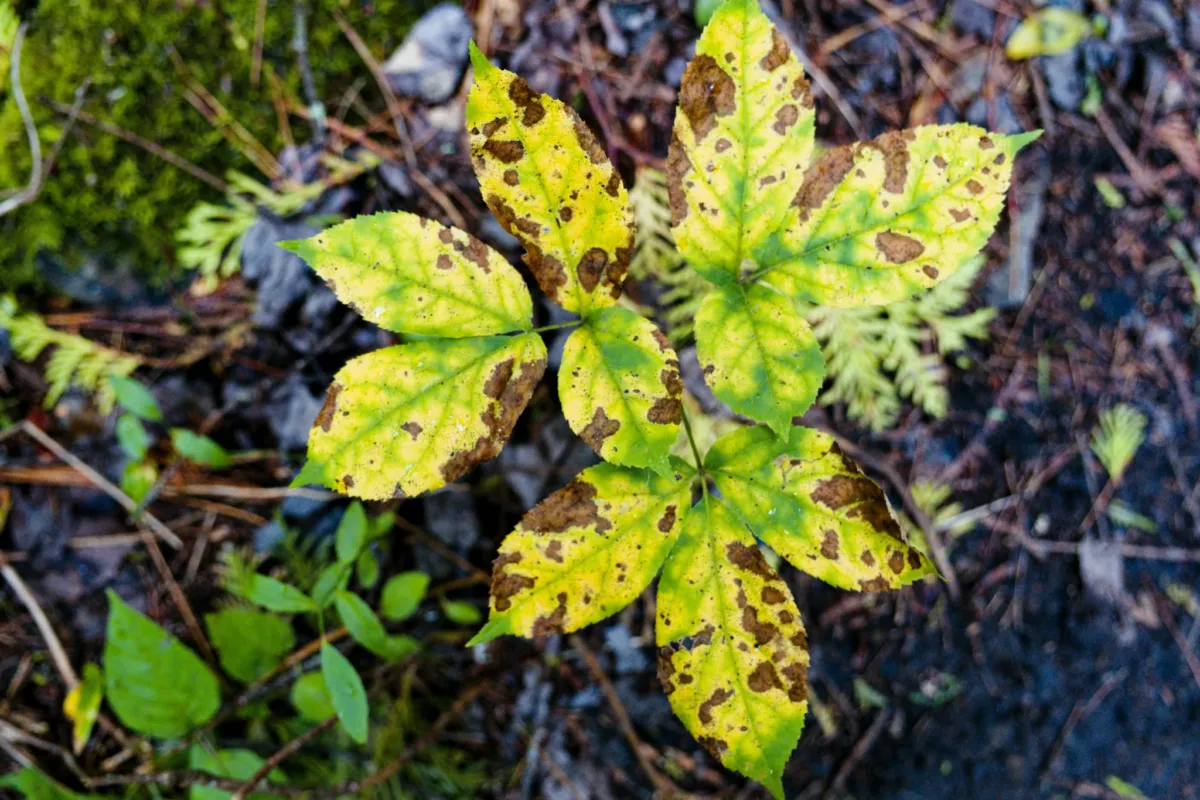
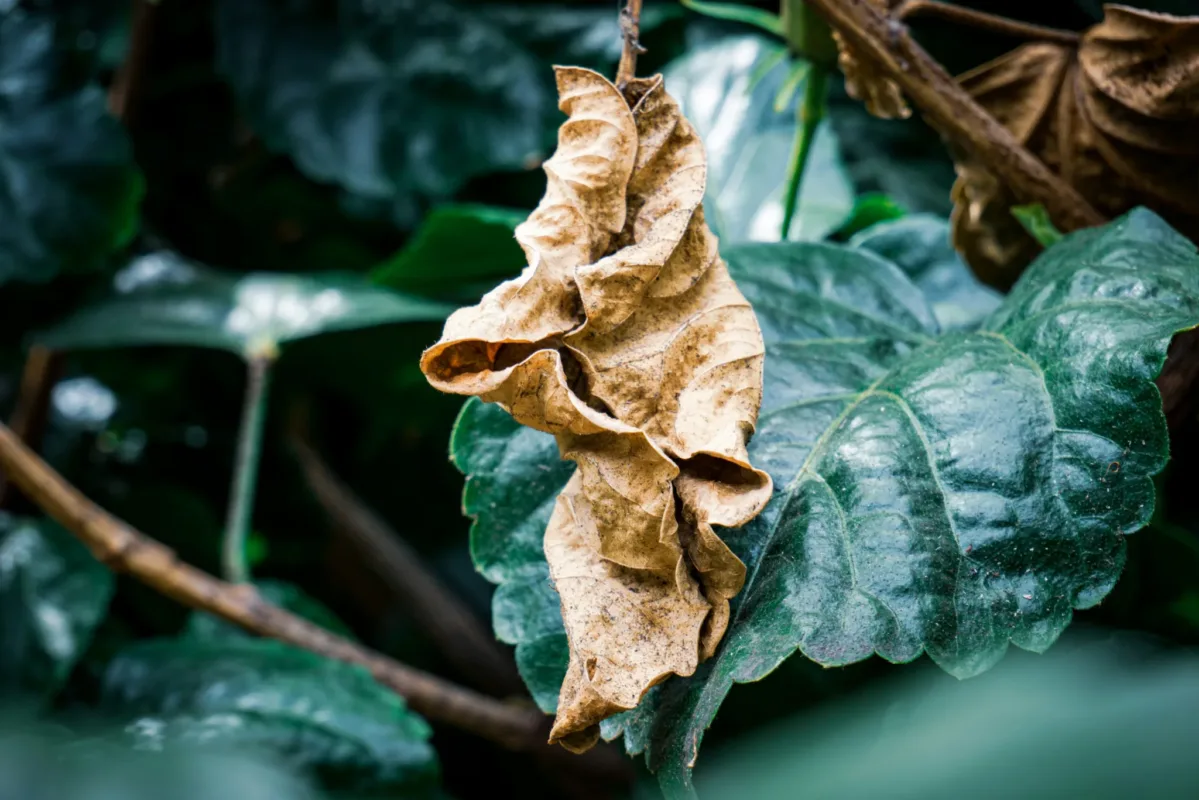
Brown, crispy leaf tips and edges. Older, lower leaves usually show it first.
Yellowing lower leaves that drop off one by one.
Wilting while the soil is still moist. The roots cannot pull water through salty soil.
Slow, stunted growth, with new leaves coming out smaller than before.
If brown tips keep appearing even though you water correctly, suspect salt before you suspect disease.
Why Salt Builds Up in Potted Plants
Water evaporates from the soil and leaves, but the salts it carried do not. They stay in the pot and slowly concentrate. Several everyday habits speed this up:
Hard or brackish water. Bore and tanker water in many parts of Karachi is high in dissolved salts.
Too much chemical fertilizer. Most fertilizers are mineral salts, so overfeeding adds to the load.
Small sips instead of deep watering. A light splash never flushes through the pot, so salts gather around the roots.
Pots without drainage holes. Salty water has nowhere to escape.
Heat and dry wind. Water evaporates faster, so salts concentrate faster, especially on sunny balconies.
People also believe two myths about this. Boiling water does not remove salt. It actually concentrates the salt as the water evaporates. Leaving water out overnight lets chlorine escape, but the dissolved salts stay exactly where they are.
How to Test If Your Water Is Too Salty for Plants
The easiest way to check is with a TDS meter. It is a small, pen-shaped device that measures total dissolved solids in parts per million (ppm). You can buy one online for a modest price, and a reading takes about ten seconds.
Fill a glass with the water you use for your plants. Dip the meter in, wait for the number to settle, and compare it with the guide below.
TDS reading (ppm) What it means for your plants
Below 300 Safe for almost every plant
300–600 Fine for most plants; flush the pots once a month
600–1,000 Sensitive plants will get brown tips; mix with RO water or rainwater
Above 1,000 Avoid for potted plants if you can; use only for hardy outdoor plants, with regular flushing
Use these ranges as a practical guide, not a strict rule. If you don’t have a meter, look inside your kettle. A thick white scale there is a strong sign that your water is hard.
How to Fix Salt Build-Up: A Step-by-Step Rescue
Most plants recover within a few weeks once the extra salt is washed out. Follow these steps in order:
Scrape off the crust. Remove the top 2–3 cm of soil with a spoon and replace it with fresh potting mix.
Flush the pot. Take the plant to a sink or drain. Slowly pour low-salt water through the soil, about twice the volume of the pot, and let it drain completely.
Repeat once. Wait 30 minutes and flush again. The second wash carries away what the first one loosened.
Clean the pot. Scrub white rings off clay pots with a brush dipped in equal parts vinegar and water, then rinse.
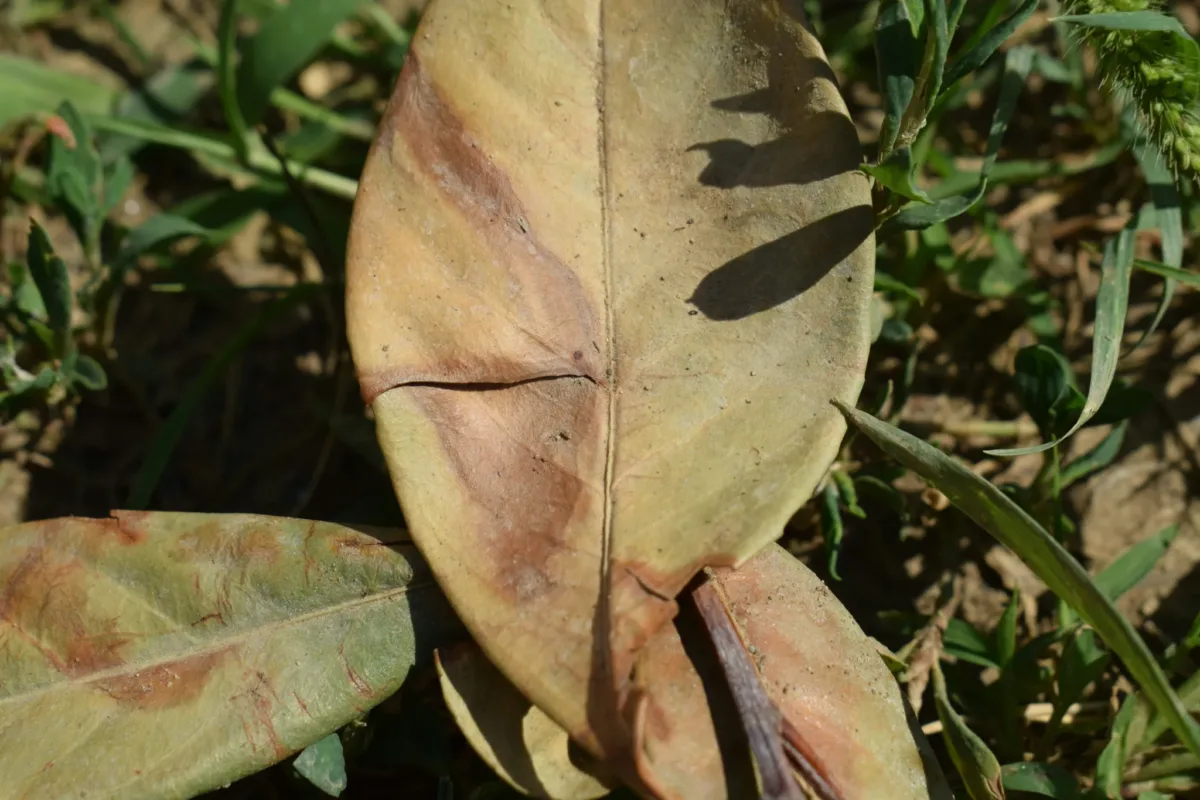
Trim damaged tips. Brown tips will not turn green again. Snip them with clean scissors, following the natural shape of the leaf.
Pause fertilizer. Give the plant four to six weeks off. When you start again, use half the usual dose or switch to compost or vermicompost.
Repot if the damage is severe. Use fresh soil and a pot with drainage holes.
A Simple Routine to Stop It Coming Back
Water deeply until a little runs out of the drainage hole. Don’t give small sips.
Empty the saucers after watering so the plant doesn’t sit in salty runoff.
Flush your pots every four to six weeks. If you use bore water, flush monthly in summer.
Better Water Sources for Your Plants
You don’t need expensive water for every plant. Save your low-salt water for the most sensitive plants, or mix it with tap water. Either way, it makes a big difference.
Rainwater. This is the best water you can give a plant. During the monsoon, collect it in clean, covered drums and store it for later.
AC water. The water that drips from an air conditioner is almost free of salt, and in Karachi ACs run for most of the year. Collect it in a clean bucket and use it within a few days. Skip it if the drain tray is dirty or the unit was recently cleaned with chemicals.
RO or filtered water. Drinking-quality water suits delicate indoor plants. Mixing it half and half with tap water cuts both the salt and the cost.
Water to Avoid
RO reject water. The waste line from your RO plant is much saltier than ordinary tap water.
Softened water. Home water softeners swap minerals for sodium, which plants dislike even more.
Kitchen or washing water. Soap and detergent residues harm the roots and the soil.
Which Plants Handle Salty Water Best?
If your water is naturally salty, choosing the right plants will save you a lot of trouble. Hardy, sun-loving plants cope well. Soft-leaved indoor plants show damage quickly.
Plant Salt tolerance Care tip
Bougainvillea High A great choice for balconies on bore water
Oleander (kaner) High Very hardy for gardens and boundary walls
Aloe vera High Water sparingly and flush now and then
Lantana Moderate to high Thrives in full sun with little fuss
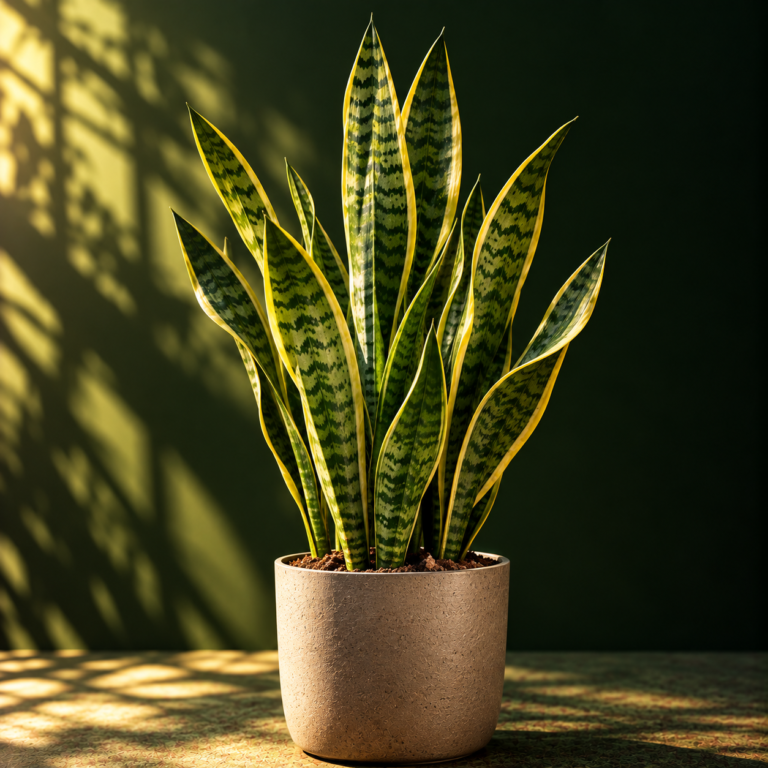
Snake plant Moderate Flush every six to eight weeks
Money plant (pothos) Moderate Brown leaf edges are the first warning
Rose Moderate to low Needs regular flushing and compost
Lemon and other citrus Low Prone to leaf burn and leaf drop
Spider plant Low Gets brown tips easily; use AC or RO water
Peace lily Low Give it your best water
Calathea Low Gets crispy edges very quickly
Tolerance also depends on pot size, sunlight and how often you flush, so treat this list as a starting point.
Frequently Asked Questions About Salty Water for Plants
Can salty water kill plants?
Yes, over time it can. Salt draws moisture away from the roots, so the plant slowly dehydrates even in wet soil. If you catch it early, most plants recover after a thorough flush.
Does boiling water remove salt?
No. Boiling kills some germs, but the salt stays behind. As the water evaporates, the salt becomes even more concentrated.
How often should I flush my potted plants?
Every four to six weeks is a good rule. If you use bore or tanker water, flush once a month, especially in summer.
Will brown leaf tips turn green again?
No. Damaged leaf tissue does not recover. Trim the brown tips neatly and keep an eye on new leaves. Healthy new growth means your fix is working.
Is AC water safe for plants?
Generally, yes. It contains very little salt, which makes it ideal for sensitive plants. Collect it in a clean container and use it fresh.
What is the white layer on my plant soil?
A hard, crunchy white layer is usually salt and mineral build-up. A soft, fluffy white layer is more likely mould, which points to overwatering and poor airflow.
Keep Your Plants Thriving with Zeelma
Salty water is a quiet problem, and you can fix it. Test your water, flush your pots regularly, and save your best water for the plants that need it most. Within a few weeks, you should see cleaner soil and fresh, healthy leaves.
If you’d like some help, Zeelma gardening team can check your soil, repot struggling plants in fresh mix, and suggest hardy plants that suit your water. Browse our plant collection online or visit our nursery to find plants that will thrive in your home.

Share your experience